
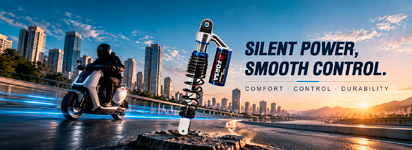

Professional OEM/ODM Shock Absorbers Manufacturer
Forsa is founded in 1987 and is a professional manufacturer specialized in of shock absorbers for a wide range of vehicles for 40 years. We have more than 2,000 kinds of shock absorbers supported motorcycle assembly factories (OEM) nationally and internationally. Also we export our products to about 50 countries through the collaborating trading companies.
Our philosophy has always been based on the idea of honesty, trust, diligence, frugality, and the pursuit for perfection. We are dedicated to improve ourselves constantly and keep developing new models at the competitive prices to meet our customer’s needed.

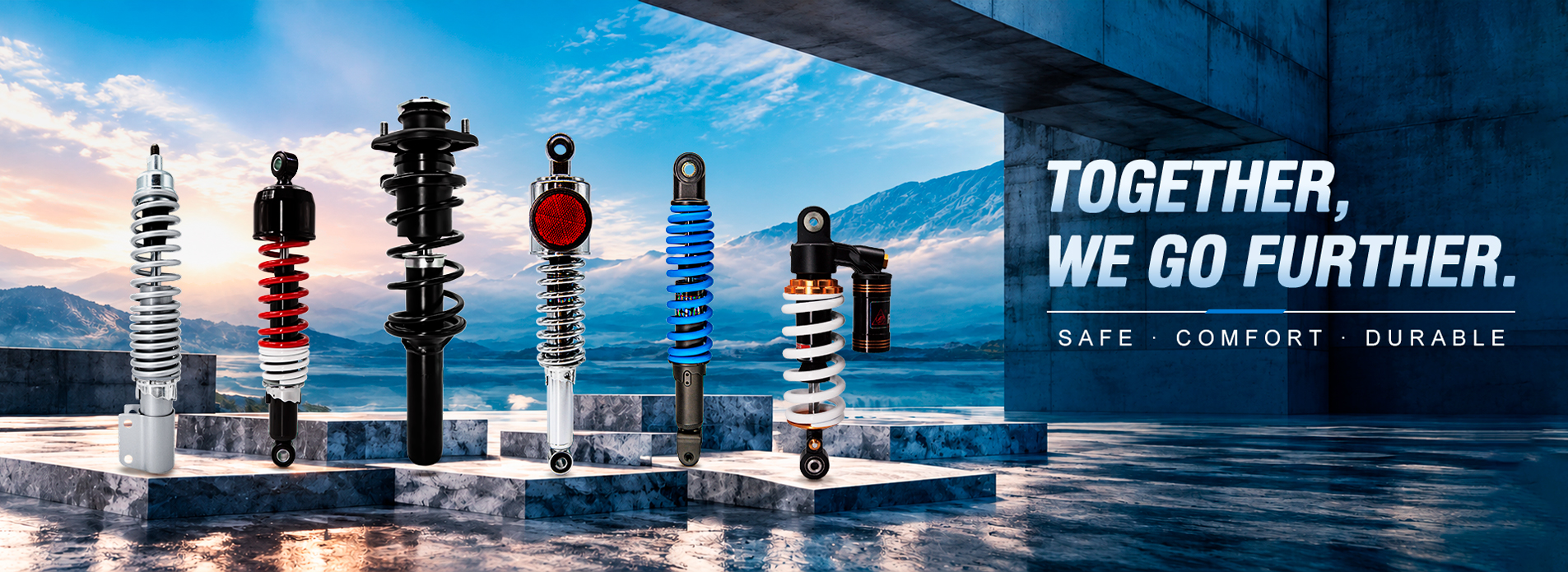
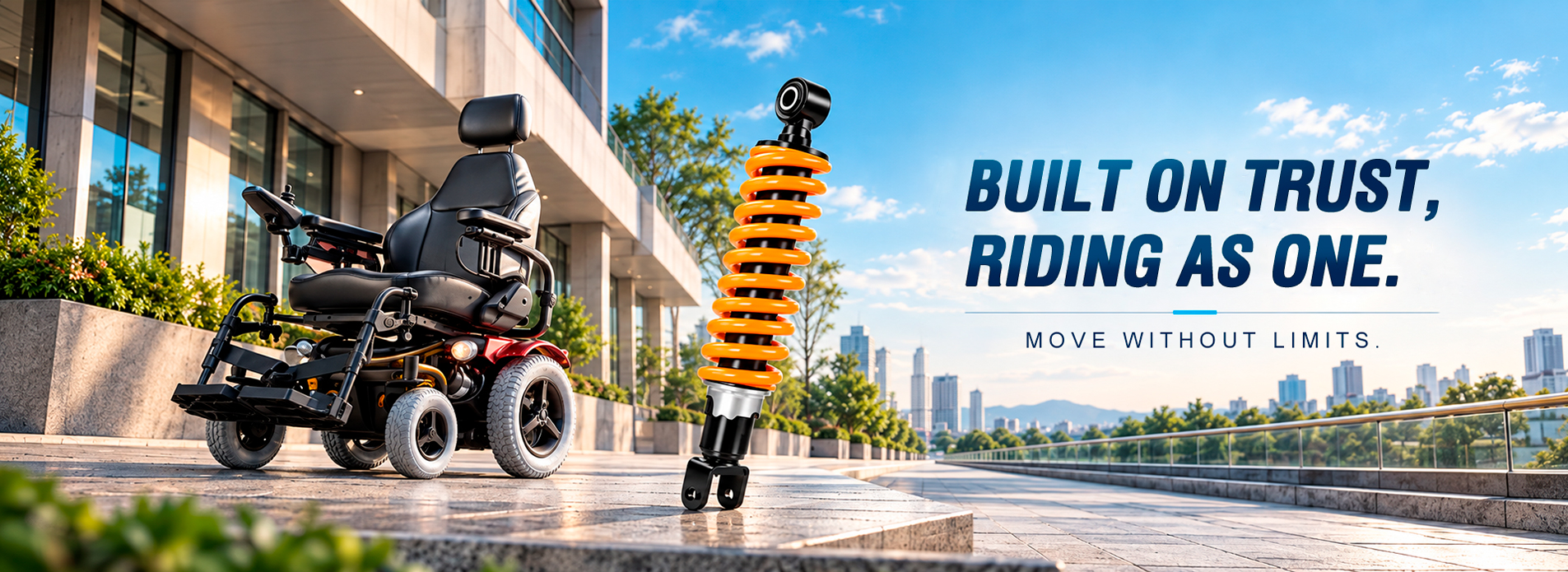
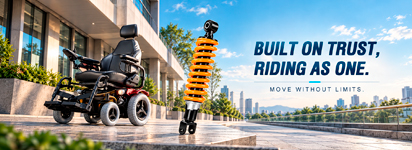
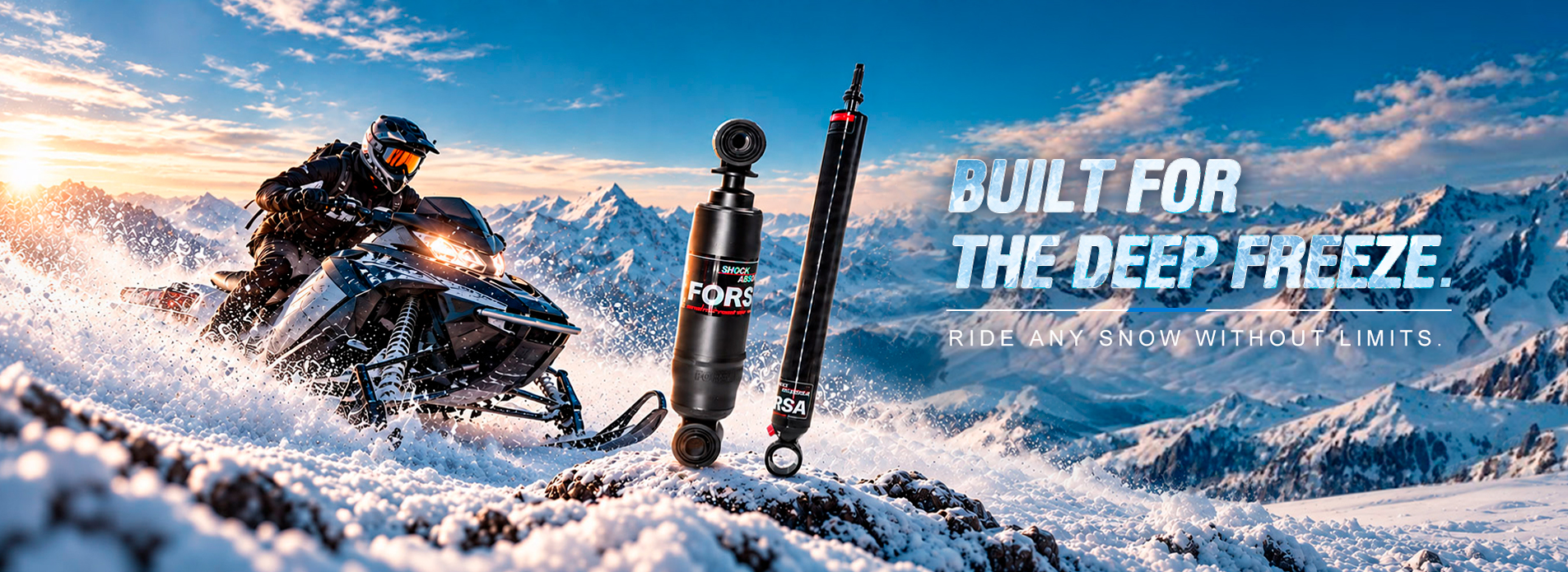
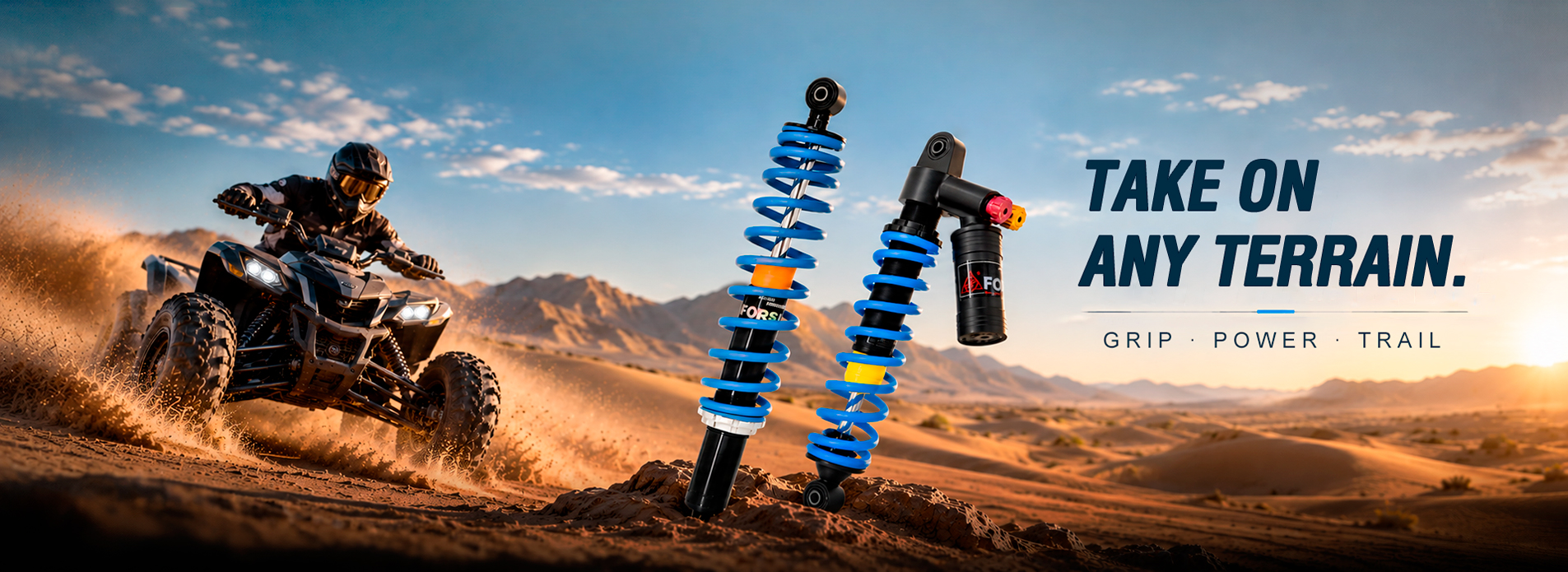
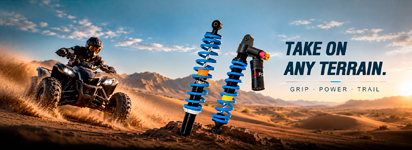
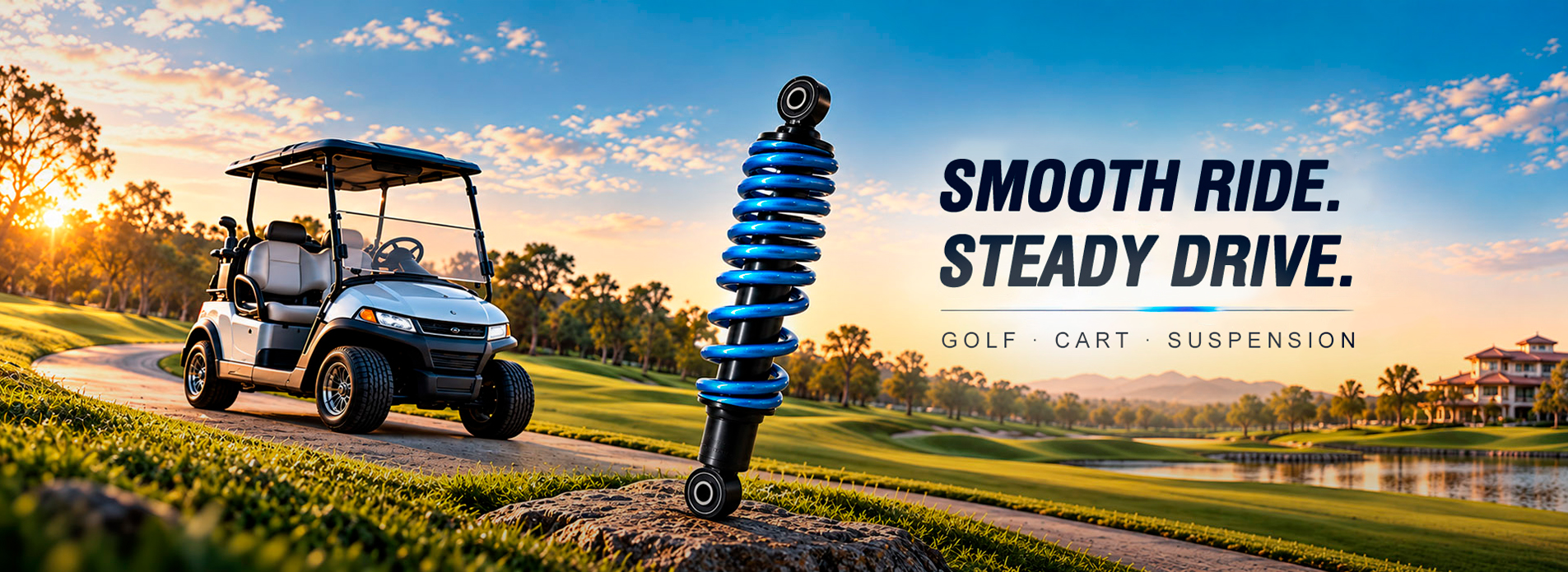
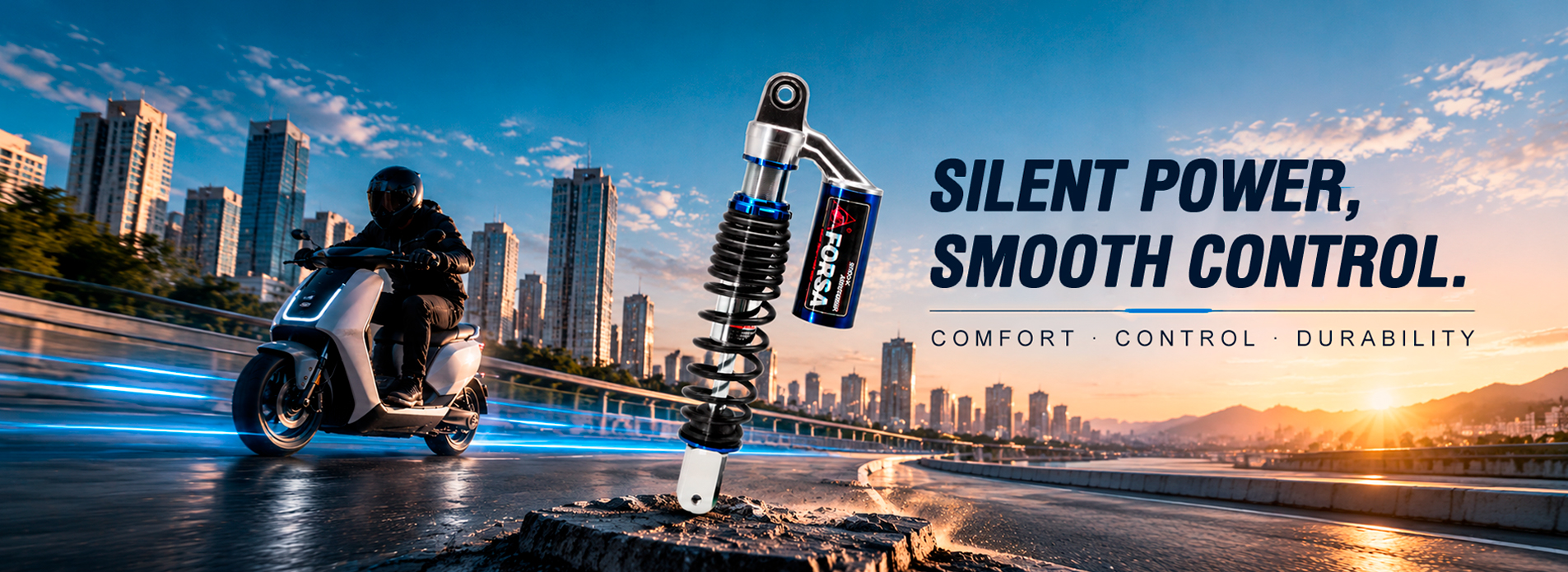
We are a professional shock absorber manufacturer in Taiwan. What we could supply OEM/ODM cooperation product and also aftermarket for a wide range of shock absorber including but not limited to: scooters, motorcycles, EV, ATV, UTV, snowmobiles and some special vehicles. Our products type including Hydrualic Shocks, Gas Shocks, Piggyback Reservoir Shocks and Front Fork.


Our company is committed to delivering products of the highest quality through a comprehensive and systematic quality control process that spans the entire production cycle:
-
Incoming Quality Control (IQC):
At the forefront of our manufacturing process, we conduct rigorous inspections on all incoming raw materials and components. This includes dimensional measurement, hardness checks, surface treatment evaluations, and material certification to ensure compliance with design and regulatory specifications. By addressing quality from the source, we eliminate potential issues at the outset. -
In-Process Quality Control (IPQC):
During the production process, we implement multiple critical control points to monitor and inspect semi-finished products in real-time. Through first article inspection and regular in-line inspections, we ensure the stability of production parameters, correct assembly procedures, and consistent product quality. Any anomalies are addressed immediately to maintain process integrity. -
Final Quality Control (FQC):
Upon completion of assembly, we conduct a thorough inspection of the finished products. This includes functional testing, appearance checks, and performance parameter verification to ensure every unit fully complies with design specifications and customer expectations before moving to the packaging stage. -
Outgoing Quality Control (OQC):
Prior to shipment, we perform a final sampling inspection to verify product quantity, packaging integrity, labeling accuracy, and documentation correctness. This final safeguard ensures only the best products reach our customers.
Yes. If your project involves custom design (ODM) or requires the development of new tooling (OEM/ODM), additional charges will apply. These may include, but are not limited to:
- Tooling and mold fabrication costs
- Development of jigs, fixtures, and inspection tools
- Setup of dedicated production equipment
- Initial prototyping and testing costs
All related fees must be paid 100% in advance prior to project initiation. Detailed cost breakdowns will be clearly presented during the quotation and proposal phases.
For further assistance, we are happy to provide additional clarification or schedule a meeting for a detailed discussion.
Absolutely. FORSA has a dedicated team capable of supporting full product development from concept to final product. Our development process includes:
-
Concept Consultation & Requirement Analysis:
We collaborate closely with the client to understand the core concept, target market, intended functions, performance requirements, and budget. -
Product Planning & Design Proposals:
Our engineering team conducts feasibility studies and presents preliminary design concepts—including appearance, mechanical structure, and internal mechanisms. -
Prototype Development & Testing:
Functional prototypes are built to validate design effectiveness and reliability. -
Design Optimization & Final Approval:
Based on test results and client feedback, the design is refined until final approval is achieved. -
Tooling & Production Preparation:
Molds and production tools are developed, and production lines are readied. -
Mass Production & Quality Control:
Production begins with stringent quality assurance procedures in place. -
Delivery & After-Sales Support:
Products are shipped as scheduled, with technical support available post-delivery.
Development Timeline:
Depending on project complexity, technical requirements, and client feedback, the development cycle typically ranges from 3 to 6 months. Projects involving advanced technology or specialized testing may require additional time. A detailed timeline will be provided after project evaluation.
